UCL appoints Google DeepMind fellow to advance multilingual AI research
UCL expands its AI research partnership with Google DeepMind, focusing on multilingual and under-resourced languages as institutions look to address gaps in global AI development.
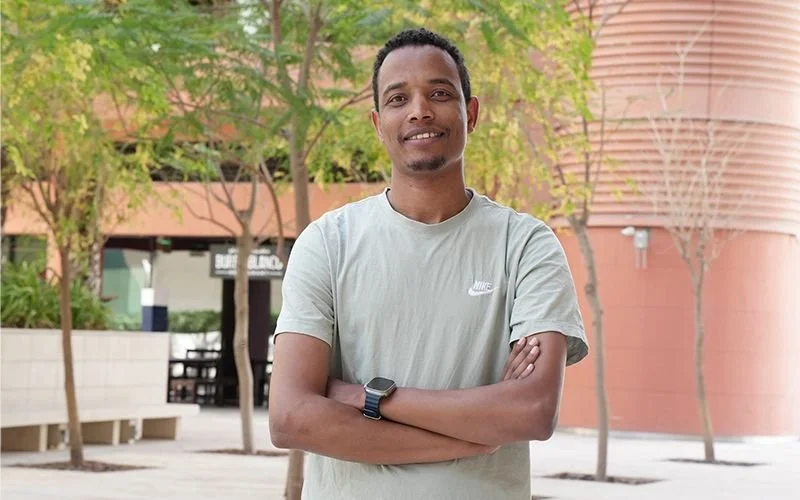
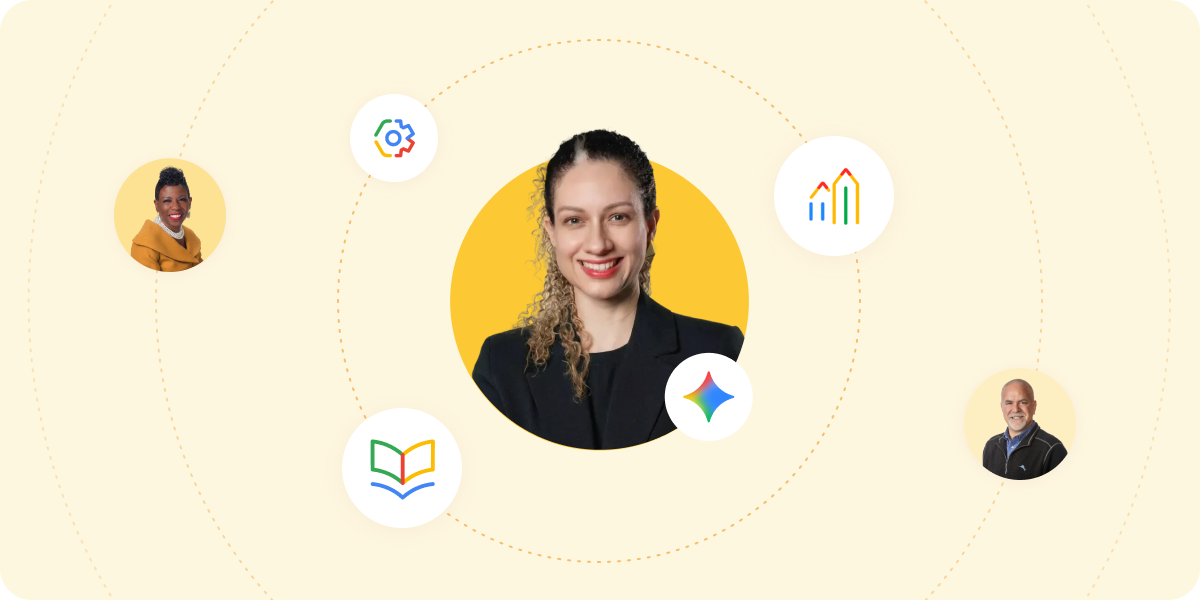
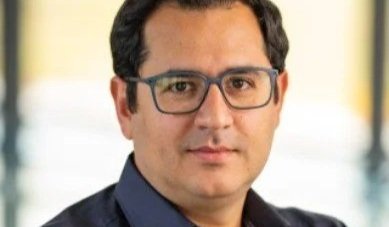
Dr Atnafu Lambebo Tonja, newly appointed Google DeepMind Academic Fellow
University College London (UCL) has appointed Dr Atnafu Lambebo Tonja as a Google DeepMind Academic Fellow at its Centre for Artificial Intelligence, strengthening ongoing research into multilingual and under-resourced language technologies.
The appointment marks the second fellowship under the partnership between UCL and Google DeepMind, with the program designed to support early-career researchers working on applied AI challenges with global impact.
Dr Tonja’s work focuses on developing and evaluating AI systems for low-resource languages, including large language models, cross-lingual learning, and multimodal approaches that combine speech, text, and vision.
His research centers on improving how AI systems handle languages that are often excluded from mainstream model development, with a focus on culturally relevant evaluation methods and broader linguistic inclusion.
This includes work on multilingual benchmarks and models tailored to specific regions, alongside research into how AI systems can better reflect linguistic diversity.
Dr Tonja has previously worked at the Mohamed bin Zayed University of Artificial Intelligence in Abu Dhabi and holds a PhD in Computer Science from the Instituto Politécnico Nacional in Mexico.
His research has been published in venues including ACL, NAACL, EMNLP, NeurIPS, and TACL, and he received the EMNLP Outstanding Paper Award in 2024.
Partnership with Google DeepMind continues to expand
The fellowship forms part of a longer-term collaboration between UCL and Google DeepMind, which has supported MSc scholarships, PhD programs, and research leadership roles in artificial intelligence over the past decade.
The appointment also follows the first Google DeepMind Academic Fellow at UCL, Dr David Adelani, who has since moved into an academic role at McGill University.
Pontus Stenetorp, Head of the UCL NLP Group and Professor of Natural Language Processing at UCL, comments: “With Atnafu, we are delighted to welcome another Google DeepMind Fellow to UCL. He already has a strong track record, and we look forward to working with him to further his research and career as part of the UCL NLP Group and the wider AI Centre.”
The continued partnership reflects a broader effort to connect academic research with industry-backed AI development, particularly in areas where datasets and representation remain limited.
Supporting early-career AI talent and global access
The Google DeepMind Academic Fellowship Programme is designed to support early-career researchers in developing both technical expertise and leadership skills, with a focus on applied AI challenges.
Professor David Barber, Director of the UCL Centre for AI, comments: “I’m delighted to welcome Atnafu to the UCL AI Centre. Atnafu brings deep technical knowledge and a passion to develop AI for good and to share AI skills widely.”
He adds: “Following the success of our previous Google DeepMind Fellowship, we’re excited to have Atnafu join us to continue the development of AI for underrepresented communities. We’re very grateful to Google DeepMind for this Fellowship which is designed to maximise the beneficial impact of AI and support the career development of promising talent in sustainable AI.”
Melanie Eusebe, Director of AI and Society at the Google DeepMind Impact Accelerator, comments: “Supporting the next generation of high-potential talent to accelerate key research challenges using AI is central to the Google DeepMind Academic Fellowship Programme.”
She adds: “We are proud to fund UCL’s efforts to bring together world-leading expertise with an impact focus, enabling research with the potential to widen access to the benefits of AI for many more people globally.”