The I-Explore Lead takes up the role in January 2027, working with departments to put Imperial’s plans for AI in teaching, assessment and feedback into practice
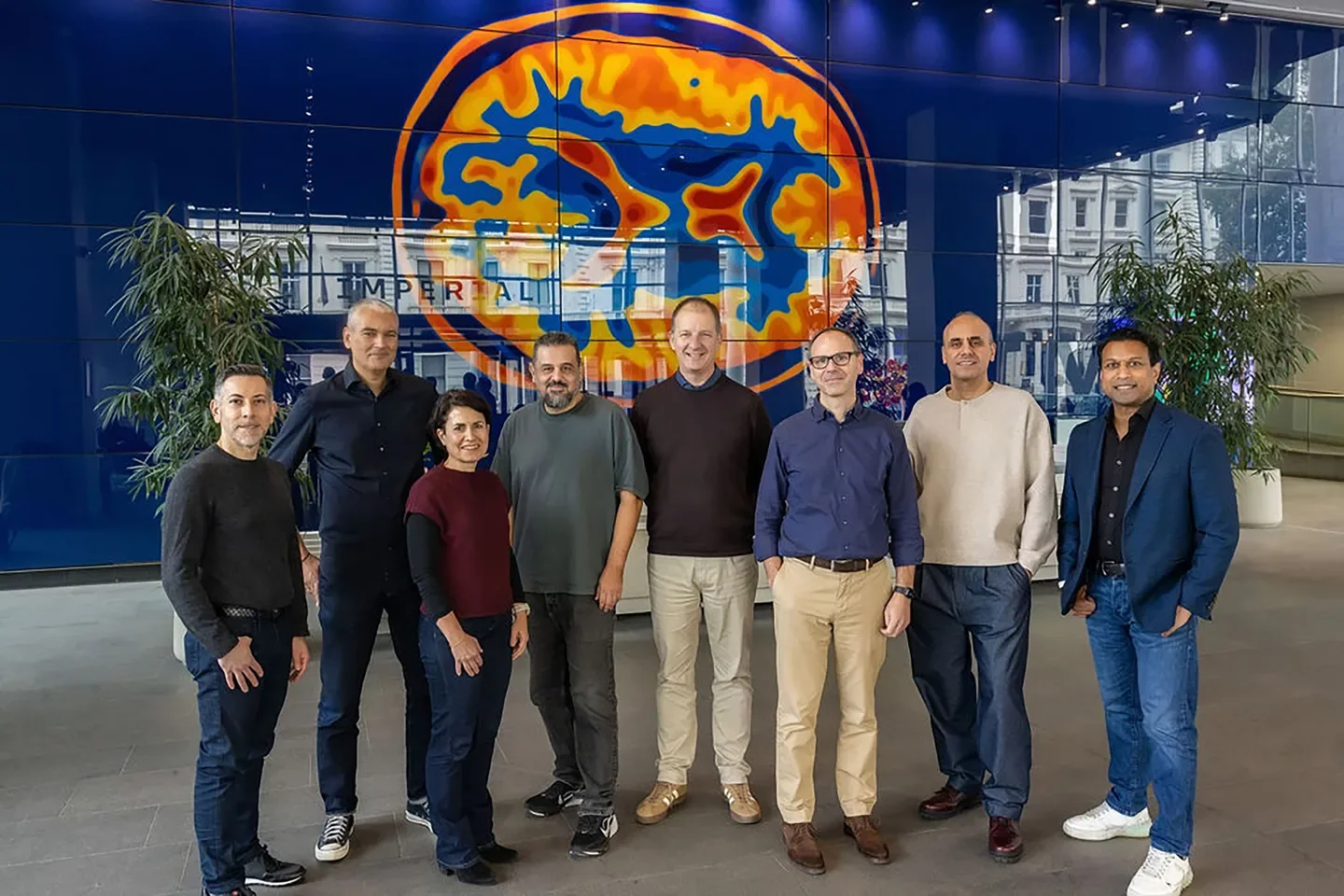
Dr. Caroline Clewley will become Director of Imperial College London’s Centre for AI in Learning and Teaching in January 2027. Image credit Caroline Clewley.
Dr. Caroline Clewley will become Director of Imperial College London’s new Centre for AI in Learning and Teaching (CALT) in January 2027. The center will work with departments to put the university’s Vision for Education in the Age of AI into practice, including how courses are taught, how students are assessed and how they receive feedback.
Clewley announced the appointment on LinkedIn. She helped develop the vision as one of Imperial’s AI Futurists, a group that brought together staff from across the university to consult colleagues and students about the role of AI in education.
"I’ve seen first-hand how AI is changing learning and teaching, both its potential and its risks, and I’ve spoken to so many people about their experiences. Those conversations helped shape the Vision," she wrote.
Departments will help put the AI vision into practice
Imperial first shared its vision with staff and students for consultation in early 2026, then revised it following feedback and review by senior leaders. The university also worked with Imperial College Union, and the final vision had the approval of its 2025–26 President and Deputy President for Education.
The strategy aims for graduates to use AI confidently, critically and responsibly while retaining the ability to work independently of it. The Office for Students says Imperial is developing teaching approaches tailored to individual disciplines, with the center working alongside a network of departmental AI in education leads.
Imperial already gives staff and students access to multiple generative AI models through its dAIsy workspace. The university has also announced separate workplace AI training for staff and students. The center’s remit puts the focus on what changes within courses, including how departments approach teaching and assessment when students have access to those tools.
From physics teaching to curriculum design across Imperial
Clewley has taught at Imperial since 2009, including a decade in its Department of Physics. She leads I-Explore, which gives nearly all Imperial undergraduates the opportunity to earn degree credit by studying outside their main subject. She helped develop the program’s interdisciplinary modules and still teaches on them.
Her work on AI at Imperial has included helping write its Generative AI Principles and co-founding a community of practice for staff working on generative AI in education. She also founded ImpVis, a project in which more than 100 students have worked with staff to create interactive visualizations for teaching.
Clewley said her new role would let her "help put our ideas into practice with colleagues in every department."
ETIH Innovation Awards 2027 open for entries
The ETIH Innovation Awards 2027 are now open for entries, with 26 categories recognising companies, institutions, projects and individuals making a measurable impact across education technology. The global awards span AI in education, digital learning, higher education, skills and workforce, inclusion, education operations, evidence and impact, with entries managed through ETIH’s new online awards platform.
Entries are open worldwide, with the early-bird deadline on Friday 18 December 2026 and the final entry deadline on Friday 26 February 2027 at 23:59 UK time.
Explore the 2027 categories and judging criteria, read the How to Enter guide or start an entry through the ETIH Innovation Awards 2027 platform.