Anthropic hires former AWS threat intelligence specialist Dlshad Othman for AI safeguards team
Othman joins Anthropic to work on influence operations, state surveillance, cyber threats, and the safeguards needed around powerful AI models.
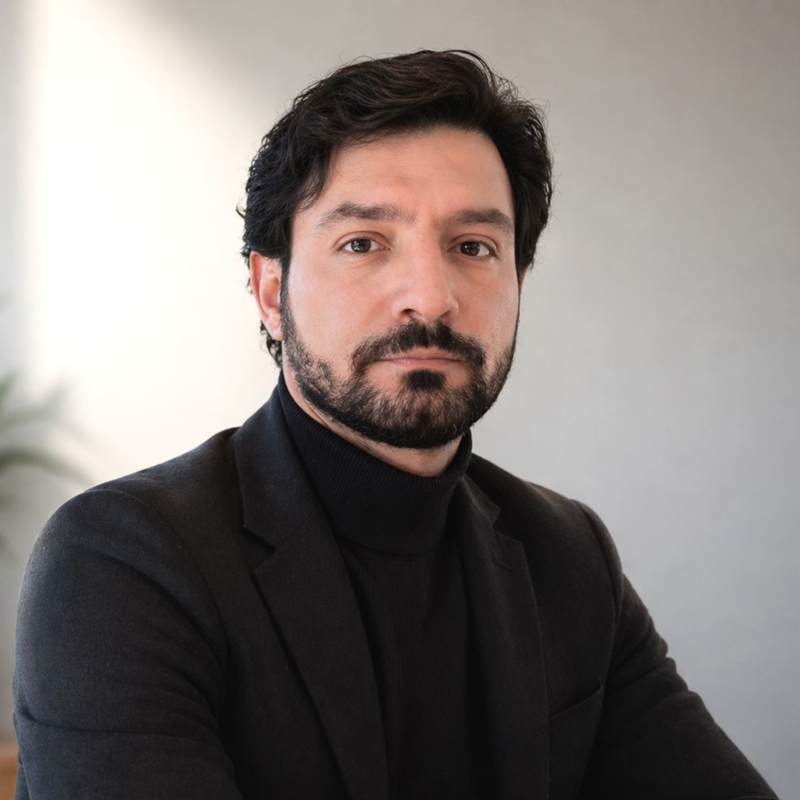
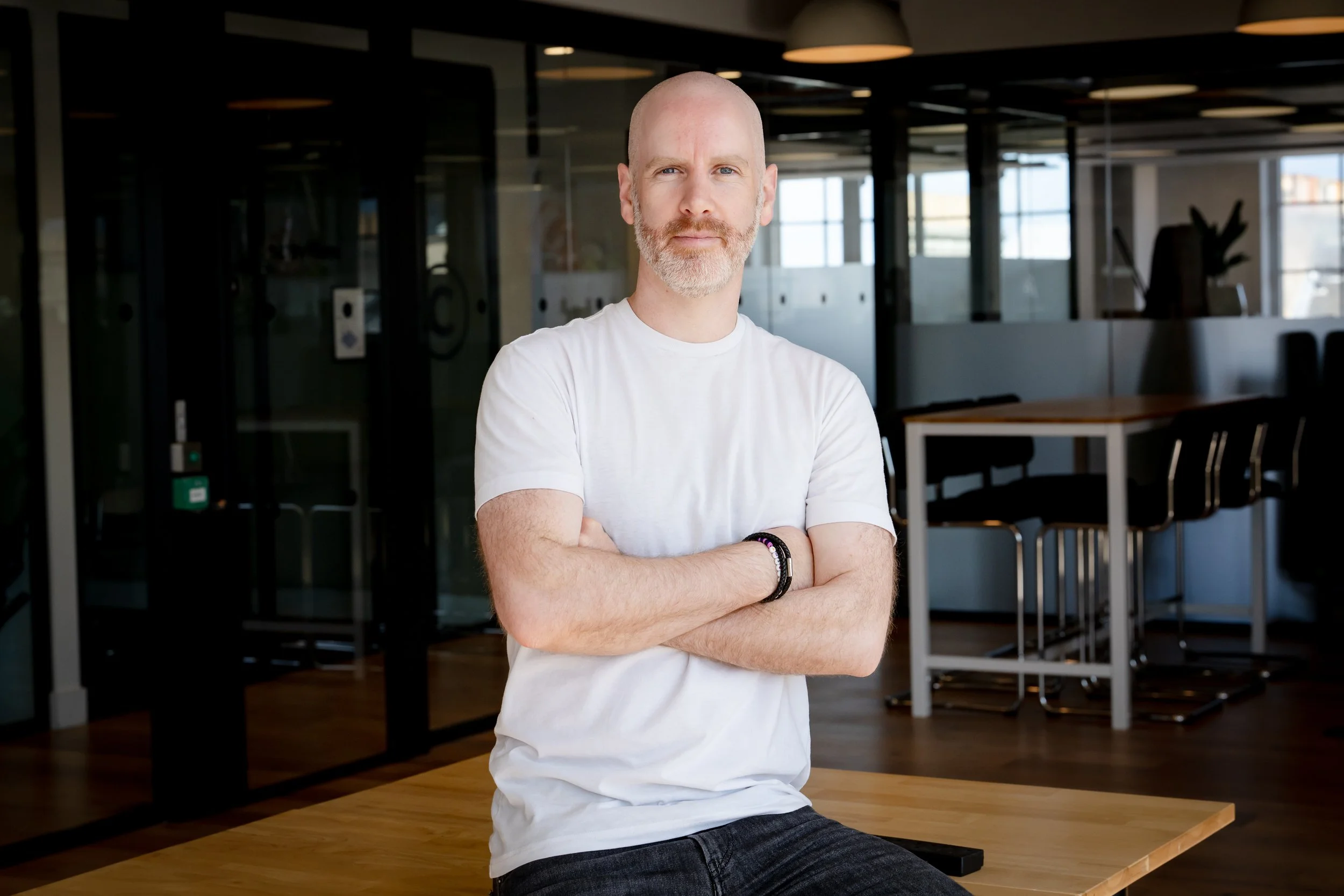
Anthropic has hired former AWS threat intelligence specialist Dlshad Othman to work on AI safeguards covering influence operations, state surveillance, and cyber risks. Photo credit: Dlshad Othman
Anthropic has hired Dlshad Othman for its safeguards team, adding former AWS cyber threat intelligence experience to its work on influence operations, state surveillance, cyber activity, and the misuse risks linked to powerful AI models.
Othman joins Anthropic after almost six years at AWS, where his work focused on cyber threat intelligence, government-backed threat actors, large-scale investigations, security automation, and major geopolitical events.
The appointment places Anthropic’s AI safeguards work closer to threat intelligence and state-linked activity, including areas where generative AI could be used to support cyber operations, surveillance, and information manipulation.
Othman has started at Anthropic this week. Further details on his exact title, reporting line, or specific projects have not been disclosed.
His move follows a departure from AWS, where he worked with Amazon Cyber Threat Intelligence and noted that much of his cyber threat intelligence work stayed out of public view.
Anthropic adds threat intelligence experience to safeguards work
Othman described his first day at Anthropic as the start of work focused on "influence operations, state surveillance, cyber and what comes in between."
That focus gives Anthropic additional experience in areas where AI safety, cyber threat intelligence, and abuse prevention are beginning to overlap. Advanced AI models can be used by bad actors to increase the speed, scale, and complexity of cyber activity, influence operations, and surveillance-related workflows.
For Othman, the reason for joining Anthropic is tied directly to where those risks now sit: "Powerful AI models are where the problem lives. They’re also where the solution has to be built, with the safeguards, the research, and the mission-driven teams to do it seriously. That’s why I’m here."
He described the role as both an opportunity and a challenge, adding that he was "grateful for the chance to work on it, and a little daunted by it, which feels about right."
AWS background includes APT and geopolitical investigations
Othman spent almost six years at AWS before joining Anthropic. His background includes investigating government-backed cyber threat actors, also known as advanced persistent threats, and analyzing large datasets to identify malicious activity.
His work also covered security techniques and automation designed to support high-speed and broad-scale operations. He has led investigations connected to major geopolitical events.
Reflecting on his time at AWS before the move, Othman called it "a huge chapter" and referenced the access to large-scale computing power for research and complex investigations.
He also noted the nature of the work, writing: "Most of my work in cyber threat intelligence stays out of public view, so I’m grateful for all the offline collaboration with folks within Amazon and outside of it, trying to make the life of threat actors a living hell."
That experience gives Anthropic specialist knowledge in an area where model safeguards are moving beyond content rules and into security, influence detection, adversarial behavior, and state-linked misuse.
AI safeguards move closer to cyber and influence risks
Othman’s appointment gives Anthropic another specialist working across AI security, cyber threat intelligence, and abuse prevention.
For education, research, and public sector organizations adopting AI tools, the security questions around model misuse, influence operations, state surveillance, and cyber threats are becoming part of AI governance, procurement, and institutional risk planning.
Anthropic has not released further details on safeguards projects linked to Othman’s appointment. His disclosed focus areas are influence operations, state surveillance, cyber activity, and the risks between those categories.